Purchasing your first home represents one of life’s most significant financial milestones. With property prices continuing to rise across the UK, building a substantial house deposit can feel overwhelming. However, using an Individual Savings Account (ISA) strategically can transform this challenge into an achievable goal through disciplined saving and smart investment choices.
Understanding ISA Options for House Deposits
When saving for a house deposit, you have several ISA options available, each with distinct advantages and limitations. The most relevant choices include Lifetime ISAs, Cash ISAs, and Stocks & Shares ISAs.
Lifetime ISAs offer government bonuses specifically designed for first-time buyers aged 18 to 39. You can contribute up to £4,000 annually, with the government adding a 25% bonus, providing a maximum yearly boost of £1,000. However, these accounts restrict property purchases to homes costing less than £450,000, and early withdrawals incur a 25% penalty fee.
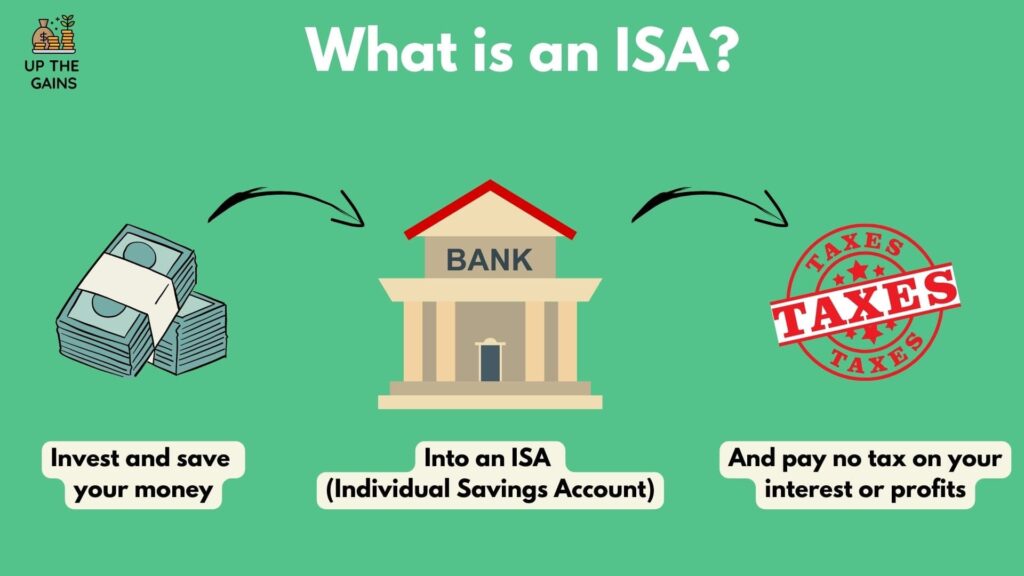
Cash ISAs provide flexibility and security for your savings. Any interest earned remains protected from income tax and capital gains, allowing your entire return to contribute toward your deposit. These accounts typically offer quick access to funds without exit fees, making them suitable for shorter saving timeframes.
Stocks and Shares ISAs enable investment in various assets while maintaining tax-free status on returns. Professional fund management options are available for those preferring not to select individual investments. This approach may accelerate deposit growth compared to cash savings, though it involves market risk.
Calculating Your Deposit Requirements
Current government schemes allow first-time buyers to secure mortgages with 5% deposits for properties up to £600,000. Based on the average UK house price of £297,166 as of December 2024, a 5% deposit would require approximately £15,000. For properties at the scheme’s upper limit of £600,000, the deposit would be £30,000.
Most mortgage lenders prefer deposits of at least 10% of the property value. Using the average house price example, this translates to approximately £30,000. Higher deposits typically secure better mortgage rates by reducing the loan-to-value ratio, making larger deposits financially advantageous when possible.
Beyond the deposit itself, additional costs include solicitor fees, survey expenses, and moving costs. These supplementary expenses can add several thousand pounds to your total requirement, emphasizing the importance of comprehensive financial planning.
Practical Saving Strategies
Regular contributions form the foundation of successful house deposit saving. Consider someone earning the UK average salary of £36,000 annually. After tax deductions, monthly take-home pay equals approximately £2,453. Allocating £1,000 for housing costs and £1,000 for living expenses leaves roughly £450 monthly surplus.
Setting aside £300 monthly for house deposit savings, while reserving £150 for emergencies and entertainment, creates an annual contribution of £3,600. Over a decade, assuming a 3% annual return, this strategy could generate over £41,700 through compound growth.
Identifying additional savings opportunities can accelerate progress. Replacing a daily £3 coffee shop purchase with home-brewed alternatives saves over £1,000 annually. Similarly, reviewing broadband and mobile contracts often reveals potential monthly savings that can boost your deposit fund.
Investment Options Within ISAs
Index-tracking Exchange Traded Funds (ETFs) offer straightforward investment approaches for those avoiding individual stock selection. Geographic diversification through ETFs covering different regions requires minimal effort while spreading risk across multiple markets.
Accumulating ETFs reinvest dividends automatically, while distributing ETFs pay dividends directly to investors for manual reinvestment. Both options support long-term growth strategies, with the choice depending on personal preference for active portfolio management.
Investment trusts provide professional management but typically charge higher fees than index-tracking ETFs. Ensure alignment with trust managers’ strategies, as some may pursue higher-risk approaches unsuitable for house deposit funds. Human management doesn’t guarantee superior performance compared to passive index tracking.
Time Horizon Rules
Investment timeframes significantly impact appropriate ISA choices for house deposit savings. Stocks and Shares ISAs typically require minimum five-year investment periods to weather market volatility effectively. Shorter timeframes increase the risk of accessing funds during market downturns, potentially resulting in losses.
Cash vs stocks isa decisions suit saving periods under five years, providing capital protection and predictable returns. While growth potential remains limited compared to investment options, principal preservation takes priority for near-term house purchases.
Lifetime ISAs work best for younger savers with extended timeframes, maximizing government bonus accumulation. The annual £4,000 contribution limit may restrict those capable of saving larger amounts, requiring supplementary ISA accounts.
Planning your house purchase timeline helps determine optimal ISA combinations. Flexibility in timing allows for investment-focused strategies, while fixed purchase dates favor cash-based approaches.
Risk Suitability
Market volatility poses the primary risk when using Stocks and Shares ISAs for house deposits. Economic downturns can reduce portfolio values significantly, potentially delaying property purchases or forcing sales at unfavorable prices.
Cash ISAs eliminate market risk but face inflation erosion over extended periods. While principal remains protected, purchasing power may decline if interest rates fail to match inflation rates.
Government policy changes represent another consideration. Support schemes for first-time buyers may evolve, affecting deposit requirements or available assistance. Mortgage rate fluctuations also impact affordability calculations and required deposit amounts.
Personal circumstances can change unexpectedly, affecting saving capacity or timeline requirements. Job loss, salary reductions, or family changes may necessitate accessing funds earlier than planned, highlighting the importance of maintaining emergency reserves separate from house deposit savings.
Alternatives
Help to Buy ISAs, while no longer available for new applications, may still benefit existing holders approaching property purchases. These accounts offered government bonuses on savings specifically for house deposits, though with lower annual limits than current Lifetime ISAs.
Regular savings accounts outside ISA wrappers may suit those exceeding annual ISA allowances. While lacking tax advantages, these accounts can supplement ISA savings for ambitious deposit targets.
Premium Bonds provide capital protection with potential tax-free prizes instead of guaranteed interest. Though returns remain unpredictable, they offer an alternative to traditional cash savings for risk-averse savers.
Employer pension schemes with employer matching represent powerful long-term wealth building, though funds remain inaccessible until retirement. Maximizing employer contributions before focusing on house deposits often proves financially optimal.
Family assistance through gifted deposits or guarantor mortgages can reduce required personal savings. However, these arrangements involve complex legal and financial considerations requiring professional advice.
High-yield savings accounts outside ISA structures may temporarily offer superior rates during promotional periods. Monitor rate changes carefully, as promotional rates often revert to lower standard rates.
Building Your Deposit Strategy
Successful house deposit accumulation requires realistic goal setting based on personal circumstances. Calculate affordable monthly contributions after essential expenses, then identify areas for potential spending reductions to accelerate progress.
Automate savings transfers to ensure consistent contributions regardless of monthly spending variations. Direct debits immediately after salary payments help prioritize savings before discretionary spending occurs.
Regular progress reviews allow strategy adjustments as circumstances change. Annual ISA allowance resets provide opportunities to maximize tax-efficient savings, while changing personal situations may warrant shifting between ISA types.
Consider splitting contributions across multiple ISA types to balance growth potential with capital protection. This approach provides flexibility while maintaining progress toward deposit goals through various market conditions.
Professional financial advice can optimize ISA selection and investment choices based on individual circumstances. Independent advisors help navigate complex regulations and identify suitable products for specific situations.
Remember that house deposit saving represents just one component of homeownership preparation. Maintaining good credit scores, stable employment, and understanding mortgage requirements equally contribute to successful property purchases.
The journey toward homeownership through ISA savings requires patience and discipline, but systematic approaches make seemingly impossible targets achievable. Regular contributions, appropriate product selection, and realistic timeframes create clear pathways to property ownership while building valuable long-term financial habits.