

Pulsar Helium Inc. (AIM: PLSR), an AIM-listed, pre-revenue helium exploration company, reported a nine-month net loss of $19.37m today, more than double the $8.52m loss a year earlier. The shares have fallen sharply from their 52-week high as the company spends heavily ahead of production at its flagship Topaz project.
PLSR closed yesterday at 76.5p, down from an intraday high of 146p on 30 March and above its 52-week low of around 22p last August and September. The stock has roughly halved from its peak as the market weighs heavy spending against progress at Topaz, in Minnesota.
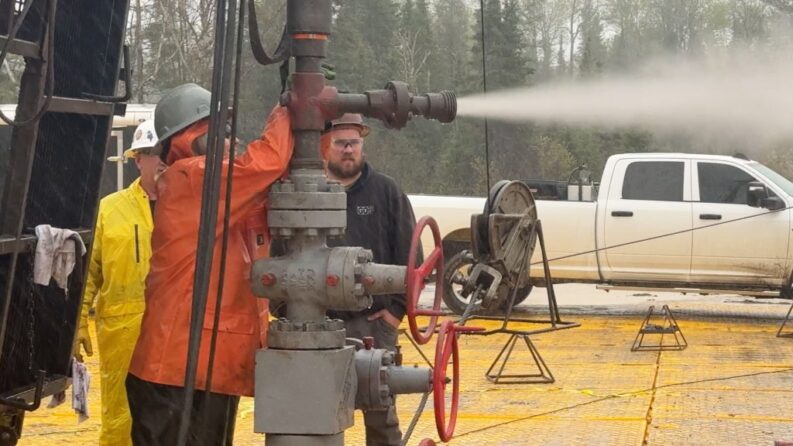
The wider loss was driven mainly by $8.0m of exploration and evaluation spend on five Topaz appraisal wells drilled between October 2025 and March 2026, all of which struck gas under high pressure. Part of the increase also reflects a $3.4m non-cash warrant revaluation loss, against a $1.1m non-cash gain a year earlier, so the headline figure overstates cash actually spent. Minnesota passed helium-specific permitting legislation in May, with the state’s Department of Natural Resources proposing expedited rules on 18 May, easing the regulatory path toward production.
Pulsar has also reserved a helium liquefaction plant, needed to purify the gas for sale, under a binding letter agreement signed on 30 June, with notice to proceed given on 3 August. The period’s drilling and infrastructure spend was funded by a $9.9m private placement plus $5.3m of warrant and $2.2m of option exercises; total assets rose to $9.2m from $1.9m while liabilities fell to $1.0m from $5.6m. A further $25.5m placing of shares at 75p each was completed after the period ended.
Chief executive Thomas Abraham-James said the fundraise was “intended to accelerate Pulsar’s transition from discovery and appraisal towards production planning at Topaz,” adding that recent drilling had “increased our confidence in the project” and that the current helium market backdrop supported securing long-lead items and infrastructure for first production.
That backdrop includes tightening global helium supply, with disruption at the Strait of Hormuz, attacks on Qatar’s Ras Laffan facilities, which account for around 35% of world helium output, and Russian export controls running through the end of 2027.


