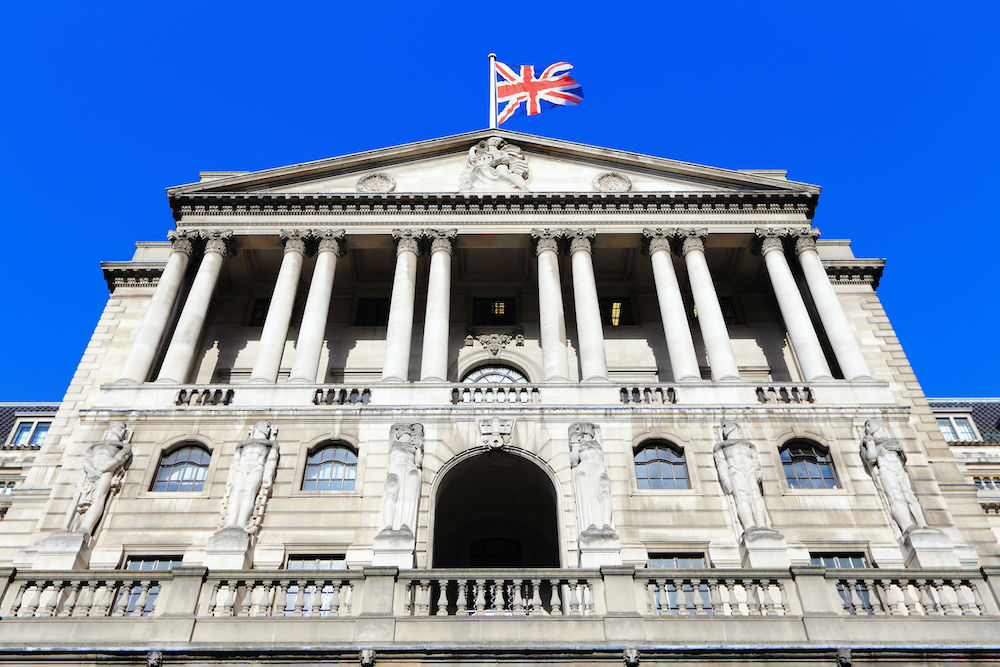



For investors looking for exposure to the FTSE 250, the Vanguard FTSE 250 UCITS ETF (VMID.L) provides just that. The FTSE 250 represents the 101st to 350th largest companies listed on the London Stock Exchange (LSE). The index captures a broad range of mid-cap UK companies, providing a more domestically focused investment compared to the large-cap FTSE 100.
Vanguard FTSE 250 UCITS ETF Performance, Price & Chart
Launched in 2014, the ETF provides a cost-effective way for investors to access the mid-cap segment of the UK market, known for its growth potential and diversification across various industries, including industrials, consumer discretionary, and financials. The FTSE 250, and the VMID ETF, as a result, hold names including St James’s Place, IG Group, Britvic, and Burberry.
By the end of 2024, the Vanguard FTSE 250 UCITS ETF’s total assets were £2.1 billion.
Vanguard FTSE 250 UCITS ETF Performance
As you may already have worked out, the performance of VMID is closely tied to the health of the UK economy, given its focus on domestically oriented companies. The mid-cap nature of the index means it can outperform during periods of economic growth but may also exhibit higher volatility. Since May 2024, the index has struggled for upside, instead remaining in somewhat of a range.
FTSE 250 Forecast
Bull Argument: Analysts at UBS are bullish on the FTSE 250 in 2025, recently telling investors that it believes the UK economy will provide a “selective yet compelling growth opportunity,” especially for domestically focused small and mid-caps. “Even modest GDP growth can drive meaningful returns in these companies, especially when supported by government policies,” added UBS.
The bank highlighted that the index trades at a discount, but they feel the “undervaluation likely reflects lingering caution on UK assets post-Brexit, presenting upside potential as sentiment continues to improve.” Given the potential for US trade policies under incoming President Trump to tighten, as well as a potentially strengthening US dollar, UBS feels the FTSE 250’s domestic focus makes it more stable and resilient compared to more internationally exposed names.
Elsewhere, ING believes “the UK economy is poised to outpace most of Western Europe next year.”
Bear Argument: While some analysts are bullish on the FTSE 250, it is also important to consider the risks potentially impacting the index. For example, the domestically-focused nature of the FTSE 250 means VMID is more sensitive to UK-specific economic challenges.
Recent data following the UK budget suggests there has been a sharp slowdown, with various businesses warning about the headwinds they will now face. For example, FTSE 250 company Currys warned that “some price rises are also inevitable,” with the UK Government budget likely to add around £32 million of annual cost to its business.
Our View: Clearly, the Vanguard FTSE 250 UCITS ETF is a strong choice for investors seeking exposure to the UK mid-cap segment. Its focus on domestically-driven companies provides an opportunity to benefit from UK economic growth. However, potential investors should be mindful of the potential economic headwinds.
Who Should Buy the Vanguard FTSE 250 UCITS ETF?
Like any asset class, it is important for investors to make sure, before parting with their hard-earned cash, that the VMID ETF suits their criteria.
The Vanguard FTSE 250 UCITS ETF is, of course, suitable for those seeking exposure to London-listed mid-cap companies with growth potential.
In addition, investors bullish on the UK economy may also see the ETF as a good fit, while they should also have a more long-term investment timeframe as those with a longer time horizon can weather potential short-term volatility.
While the ETF’s mid-cap focus means it is more volatile than large-cap alternatives like the FTSE 100, investors should have a medium risk tolerance.
Dividend investors may see the fund as attractive, although a FTSE 100 tracking fund may be seen as a better alternative. The London Stock Exchange states: “Since 1998, the yield on the FTSE 100 has tended to be between 3 and 6 percent, compared to a 2-4 percent dividend yield range for the FTSE 250.”