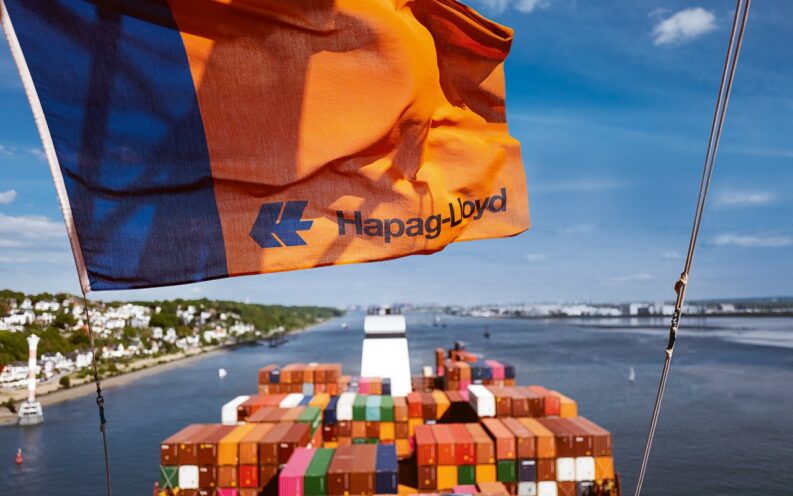

Shares in Hapag-Lloyd AG climbed in trading following the German shipping giant’s announcement of a definitive agreement to acquire ZIM Integrated Shipping Services for $4.2 billion in an all-cash transaction. The stock rose 21.21% as markets reassessed the strategic implications of the deal, which represents one of the most significant consolidations in the container shipping industry in recent years.
The acquisition, unanimously endorsed by ZIM’s board, values the Israeli shipping company at $35.00 per share, representing a substantial 58% premium over ZIM’s closing price on February 13, 2026. More striking is the 126% premium over ZIM’s unaffected stock price of $15.50 from August 8, 2025, before acquisition speculation began circulating. The transaction is subject to shareholder approval and regulatory clearances across multiple jurisdictions, with closing expected following completion of these requirements.
The deal positions Hapag-Lloyd as the world’s fifth-largest container shipping company, commanding a fleet exceeding 400 vessels with combined capacity surpassing 3 million TEU and annual transport volume above 18 million TEU. This expanded footprint strengthens the company’s competitive position across key trade routes including Transpacific, Intra-Asia, Atlantic, Latin America, and East Mediterranean trades, providing enhanced scale and network density in an industry increasingly defined by consolidation pressures.
A notable complexity involves compliance with Israeli government requirements related to the Special State Share held by the State of Israel. Hapag-Lloyd has structured an agreement with FIMI Opportunity Funds to establish a new Israeli container line, dubbed “New ZIM,” which will assume obligations associated with the Special State Share. This carved-out entity will operate 16 vessels and maintain strategic trade routes, ensuring continued maritime connectivity for Israel while satisfying regulatory constraints.
The initial market reaction revealed divergent sentiment. While ZIM’s stock surged on the premium valuation, Hapag-Lloyd shares initially declined 8% before recovering, reflecting concerns over acquisition timing and cost amid potential downward pressure on freight rates from increased shipping capacity. The current rally suggests markets have shifted focus toward longer-term strategic benefits and operational synergies.
Analysts estimate annual cost synergies between $300 million and $500 million from the combined operations. However, financial scrutiny reveals potential challenges. Considering the total expenditure including ZIM’s net debt, the implied return for Hapag-Lloyd calculates to 7.3%, falling below the industry’s average weighted cost of capital of approximately 10%. This gap raises questions about value creation, particularly given ZIM’s substantial exposure to the volatile spot market compared to Hapag-Lloyd’s more contract-focused business model.
The acquisition unfolds against a backdrop of shifting container shipping dynamics. Overcapacity concerns persist as newbuild deliveries continue, potentially pressuring freight rates from elevated pandemic-era levels. Integration challenges also loom, particularly harmonizing operational systems and corporate cultures between the German and Israeli entities.
Hapag-Lloyd Price Targets
Hapag-Lloyd Analyst Summary: Bull and Bear Cases
Bull Case:
- Positions Hapag-Lloyd as the world’s fifth-largest container shipping company, enhancing scale and network density.
- Strengthens the company’s competitive position across key global trade routes.
- Projected annual cost synergies are estimated to be between $300 million and $500 million.
- The acquisition eliminates a significant competitor and expands market share in strategic regions.
Bear Case:
- The acquisition’s implied return of 7.3% is below the industry’s average weighted cost of capital, raising concerns about value creation.
- The industry faces potential downward pressure on freight rates due to overcapacity from newbuild deliveries.
- Significant integration challenges exist, including harmonizing operational systems and corporate cultures.
- The deal involves regulatory complexities, particularly satisfying Israeli government requirements for the Special State Share.
Markets appear to be weighing these risks against the strategic imperative of scale in global shipping. The transaction eliminates a significant competitor while expanding Hapag-Lloyd’s market share in key trades where ZIM maintained strong positions. Whether the premium paid proves justified will depend on management’s ability to realize projected synergies while navigating a potentially softer freight rate environment in coming quarters.
Searching for the Perfect Broker?
Discover our top-recommended brokers for trading or investing in financial markets. Dive in and test their capabilities with complimentary demo accounts today!