
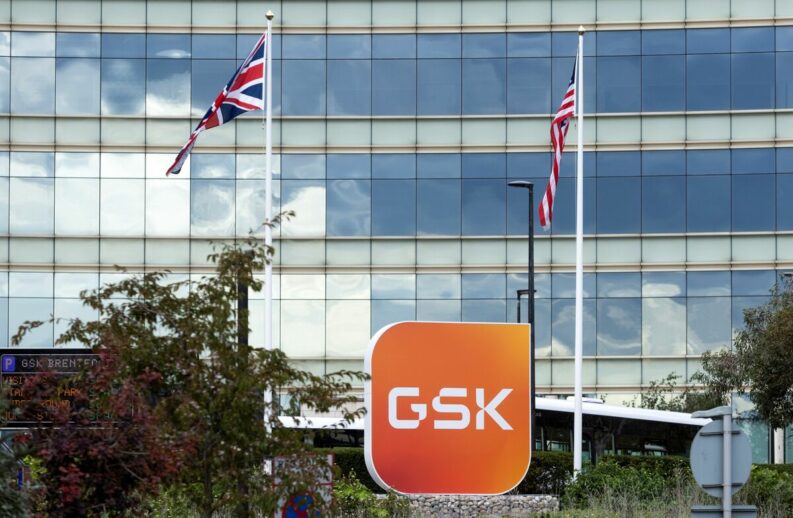
GSK (LSE/NYSE: GSK) received a significant boost in its China market strategy, with regulatory milestones achieved for both its investigational hepatitis B treatment, bepirovirsen, and its severe asthma therapy, Exdensur (depemokimab).
The China National Medical Products Administration (NMPA) has accepted for review a new drug application (NDA) for bepirovirsen, positioning it as a potential first-in-class functional cure for chronic hepatitis B (CHB). This submission is supported by data from the B-Well 1 and B-Well 2 Phase III trials, demonstrating statistically significant and clinically meaningful functional cure rates. Given that an estimated 75 million people in China live with CHB, a leading cause of liver cancer, the potential impact of bepirovirsen is substantial.
Bepirovirsen, an investigational antisense oligonucleotide (ASO), aims to achieve a functional cure by making the hepatitis B virus DNA and viral protein undetectable in the blood for at least 24 weeks after stopping treatment. This differs significantly from the current standard of care, nucleos(t)ide analogues, where functional cure rates typically remain low, around 1%. The regulatory submission is underscored by positive results from Phase III trials, where bepirovirsen demonstrated significantly higher functional cure rates compared to standard of care alone, particularly in patients with lower baseline HBsAg levels.
In a parallel development, the NMPA has also approved Exdensur (depemokimab) for the add-on maintenance treatment of severe asthma characterized by an eosinophilic phenotype in adult and pediatric patients aged 12 years and older. This approval is based on data from the SWIFT-1 and SWIFT-2 phase III trials, which showed significant reductions in asthma exacerbation rates with depemokimab compared to placebo, both in conjunction with standard of care.
The SWIFT trials revealed that treatment with depemokimab resulted in a significant 58% and 48% reduction in the rate of annualised asthma exacerbations over 52 weeks, respectively. Furthermore, a pre-specified pooled analysis of the two trials showcased a 72% reduction in the annualised rate of clinically significant exacerbations requiring hospitalisation and/or ED visits.
Approximately 6% of the estimated 46 million adults in China affected by asthma experience it in its severe form, facing an increased risk of exacerbations and potentially fatal asthma attacks. The approval of Exdensur offers a new treatment option for these patients, potentially reducing the need for hospital visits and improving their overall quality of life.
The dual approvals in China are likely to have a positive short-term impact on GSK’s stock, driven by increased investor confidence in the company’s growth prospects in a key market. The potential for bepirovirsen to become a first-in-class functional cure for hepatitis B could further boost the stock’s valuation.
Analyst Summary: Bull and Bear Cases
Bull Case:
- Bepirovirsen’s novel mechanism offers a potential breakthrough in achieving functional cures for chronic hepatitis B.
- Exdensur’s long-acting efficacy, with only two doses per year, enhances patient compliance and convenience.
- China’s large patient populations for chronic hepatitis B and severe asthma present significant market opportunities for GSK.
Bear Case:
- Regulatory approvals do not guarantee market success, and the company still faces challenges in market penetration and competition.
The acceptance of the bepirovirsen NDA and the approval of Exdensur indicate a strong outlook for GSK in China. These developments align with the company’s strategy of addressing unmet medical needs and expanding its global footprint. While regulatory approvals do not guarantee market success, the clinical data supporting these treatments and the size of the Chinese market suggest a promising future for GSK’s portfolio.
Searching for the Perfect Broker?
Discover our top-recommended brokers for trading or investing in financial markets. Dive in and test their capabilities with complimentary demo accounts today!