The cruise industry, a sector synonymous with leisure, travel, and adventure, has weathered turbulent waters in recent years. From the pandemic’s initial crippling blow to the subsequent recovery fueled by pent-up demand, the industry has proven its resilience.
Pre-pandemic the cruise liner market generated over $50bn in revenues per year for three major liner consortiums and a number of smaller private and subsidiary operations.
The three operators here carried 70% of all the passengers, and continue to dominate the cruise industry (Carnival, RCI and Norwegian). Privately-held MSC Cruises is the next largest company with Disney also a niche operator.
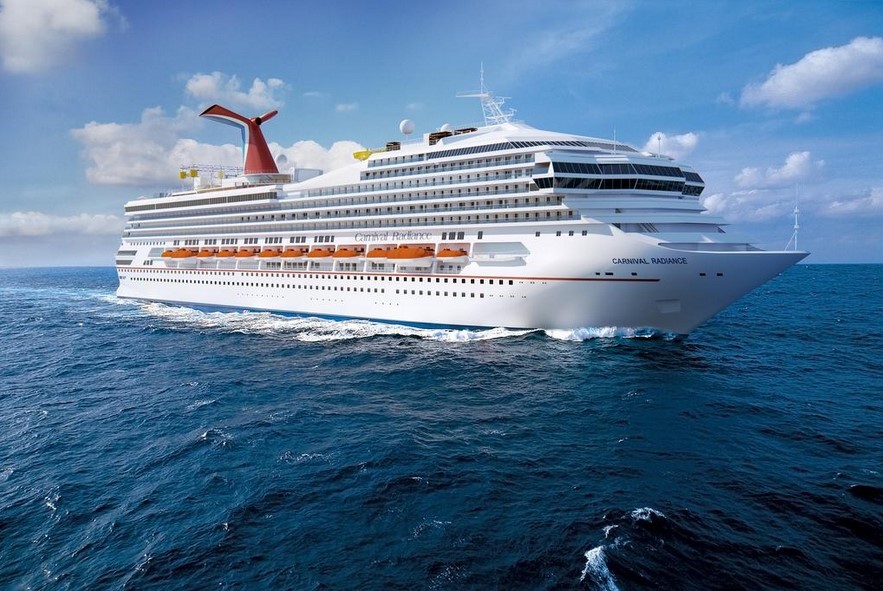
Carnival Corp (CCL)
Carnival lead the industry in passengers and market share, with an impressive 41.5%of volume, and more than 35% of revenue. The Carnival Corp stock (CCL) has performed strongly, with gains of 20% since the start of 2025, and more than 60% in the past 12 months.
Carnival Corporation and Royal Caribbean Group stand as the titans of the cruise world, each boasting diverse portfolios catering to a wide range of travelers. Carnival, with its iconic Carnival Cruise Line, Princess Cruises, and Holland America Line, appeals to a broad demographic, from budget-conscious families to luxury travelers.
Royal Caribbean (RCL)
Royal Caribbean, known for its innovative ship designs and expansive itineraries under brands like Royal Caribbean International and Celebrity Cruises, targets a similar market but often emphasizes technologically advanced experiences and larger-than-life onboard features.
RCL has a passenger share at 27%, coming out at around 25% of revenue. The RCL stock price has outperformed both broader markets, and it’s peers over recent times, with gains of 50% since the start of the year, and 2x over the past year.
Norwegian Cruise Line (NCLH)
Norwegian Cruise Line, while smaller than its two main competitors, with ~9% of passenger share and 14% of revenue, has carved a niche with its “Freestyle Cruising” concept, offering more flexibility in dining and entertainment options.
Recent financials paint somewhat of a mixed picture.
Norwegian Cruise Line’s Q1 2025 earnings report at the end of April revealed a revenue of $2.13 billion and an adjusted EPS of $0.07, both falling short of analyst expectations. This underperformance was attributed to weakening demand for premium voyages, a consequence of consumer caution amid economic uncertainties. This contrasts with the company’s Q4 2024 performance, where it exceeded profit expectations thanks to higher ticket prices and continued leisure travel demand.
This has weighed on the stock in relative terms, with NCLH having declined 8% since the start of 2025, yet gained 20% over the past 12 months.
Royal Caribbean, on the other hand, has garnered positive attention from analysts.
The key difference between these three companies lies in their risk profiles and potential rewards. NCLH, while potentially offering higher growth if it can overcome its current challenges, carries a higher risk due to its recent underperformance and exposure to premium market volatility.
RCL and CCL, with their stronger financial positions and more diversified offerings, represent a relatively safer way to play the sector, albeit potentially with lower growth potential.
The cruise industry as a whole is influenced by several macroeconomic factors. Consumer confidence, fuel prices, and geopolitical stability all play a crucial role. The rising cost of fuel, as highlighted in NCLH’s report, directly impacts profitability.
Key Insights:
- Royal Caribbean (RCL): Strongest outlook with strategic fleet optimization and new ship launches like ‘Icon of the Seas’ driving demand and pricing premiums.
- Carnival (CCL): Favorable supply-demand dynamics and strategic investments expected to enhance profitability.
- Norwegian (NCLH): Mixed performance – Q1 2025 missed estimates due to weaker demand for premium voyages, but previously exceeded Q4 2024 profit expectations with higher ticket prices.
Side-by-Side Comparison:
| Feature | Carnival Corporation (CCL) | Royal Caribbean Group (RCL) | Norwegian Cruise Line Holdings Ltd. (NCLH) |
|---|---|---|---|
| Market Position | Largest cruise operator | Second largest cruise operator | Smaller, focuses on “Freestyle Cruising” |
| Brand Portfolio | Diverse, caters to all budgets | Innovative, technologically advanced | Flexible, caters to independent travelers |
| Recent Performance | Positive analyst ratings, strong potential | Positive analyst ratings, strong potential | Missed Q1 2025 estimates, higher risk |
| Risk Profile | Lower risk, more stable | Lower risk, more stable | Higher risk, potentially higher reward |
| Key Strengths | Diversified offerings, strong brand recognition | Innovative ships, strong brand reputation | Unique “Freestyle Cruising” concept |
| Key Challenges | Managing fleet size, competition | Maintaining innovation, competition | Premium market volatility, fuel costs |
HOW TO START TRADING CRUISE STOCKS ONLINE
1. Research Cruise Stocks
Whenever you make an investment, it is important that you do your own research and are comfortable with your strategy. You will find a wealth of information on AskTraders that will aid you in your decision-making process. Researching the market, analysing reported financials and quantifying your outlook for the sector and the company you are investing in are all good starting places before deciding on which cruise stock to buy.
2. Find a Broker
The next step is to find a broker to use. There are many brokers out there. Consider how often you would like to invest and factor the fees into the ease of use. Then consider if your due diligence is more weighted to charts or to reported data and will your broker be able to provide you all the tools you need to execute as best you can?
3. Open & Fund an Account
Modern and reputable broking platforms will require Know-Your-Customer (KYC) financial and personal information from you before they sign you on to their customer database. You should be prepared to disclose sensitive personal and financial details and before commencing trading. This is very standard and protects both you and the broker. Depending on the broker, there are many funding methods, before you hand over your personal information check that the broker accepts your preferred funding method.
4. Set Order Types
Understanding order types is critical to completing the stock. A well-executed strategy plays a major part in a profitable strategy. First understand your own financial situation and trading goals. Be sure to read up on the different types of orders such as limits, stop-loss and many others. Partner your objectives with the executing tools at hand in order to have the best outcome. Different order types, when used effectively, can aid you in mitigating risk and reaching your financial objectives.
5. Select & Buy Cruise Stocks
After you feel comfortable with the above it’s time to go out there and execute. Remember, it is a process, take your time. Learn from the experts made available to you on AskTraders.com and reach out to your broker for support whenever you need to.
Final Thoughts
Investing in cruise line stocks requires careful consideration of each company’s unique strengths, weaknesses, and the broader industry dynamics. While the sector has shown resilience in the face of adversity, it remains vulnerable to economic fluctuations and unforeseen events.
Royal Caribbean and Carnival appear to be on stronger footing presently, but Norwegian has the potential to grow if it can overcome its current challenges. With diversification proving the key to investing more generally, those with a strong view on the cruise sector could look to spread exposure across the names and gain a more averaged return on cruising.
A rising tide floats all boats so to speak, yet picking the best of the bunch can deliver outperformance.