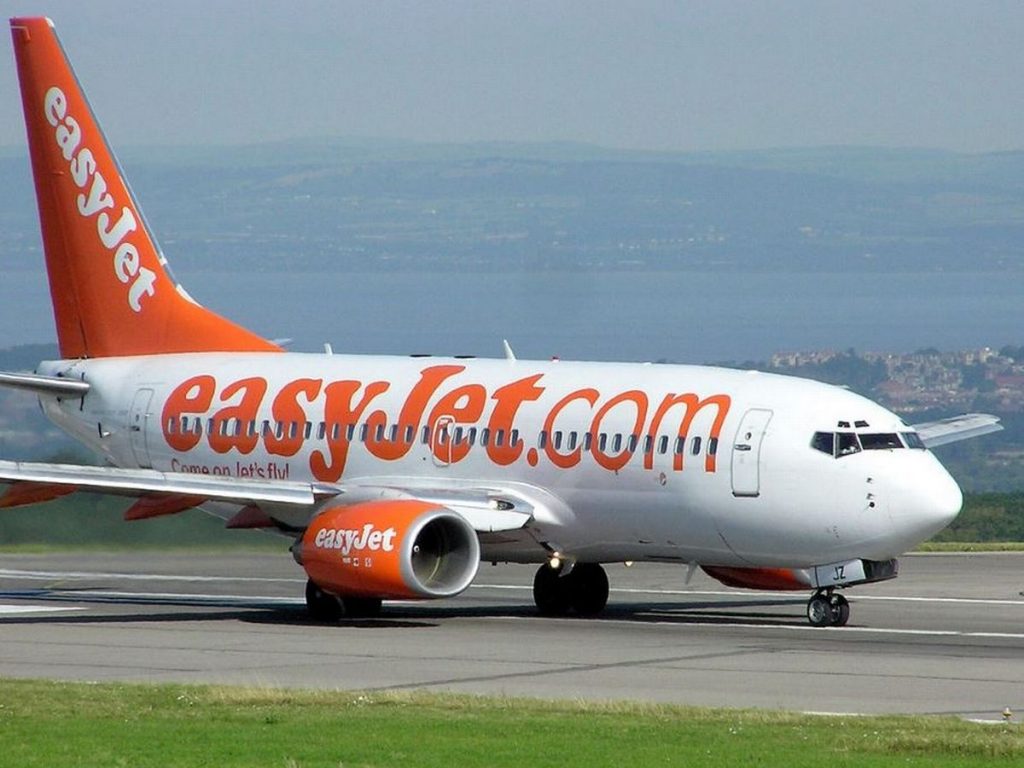

EasyJet shareholders are entering the next phase of the airline’s £5.7bn ($7.7bn) buyout, after the board formally recommended a firm offer from US private equity giant Apollo Global Management earlier this week, ending a months-long bidding contest with rival suitor Castlelake, which withdrew from the process.
Under the agreed terms, investors will be offered 715p in cash per share — an 81% premium to easyJet’s 394p closing price on 28 May, just before takeover interest first emerged. Shareholders will also have the option to roll their holding into unlisted shares of Eagle Bidco, the new Apollo-backed parent company, rather than cashing out entirely.
Founder Sir Stelios Haji-Ioannou and his family, who hold roughly 15.3% of the airline, have already committed to take the rollover option and remain long-term investors.
The transaction, structured as a scheme of arrangement, still requires approval from shareholders, sanction by the court, and clearance from aviation, competition and foreign-investment regulators.
A particular focus will be compliance with EU ownership rules, given easyJet’s continental flying rights depend on majority EU control; Apollo has structured the deal so EU-linked shareholders retain up to 49.9% of the vehicle.
If approved, completion is expected around March 2027, after which easyJet would end more than 25 years as a London-listed company. Apollo has pledged no material job cuts in the first year and says the airline, its brand and UK headquarters will remain unchanged for now.
EasyJet shares were trading around 671p on Friday — still below the 715p offer, reflecting lingering execution and regulatory risk investors are pricing in ahead of the shareholder vote.
Searching for the Perfect Broker?
Discover our top-recommended brokers for trading or investing in financial markets. Dive in and test their capabilities with complimentary demo accounts today!
- IG Top-tier regulation – Read our Review
- eToro Wide range of instruments available to trade – Read our Review
YOUR CAPITAL IS AT RISK. 76% OF RETAIL CFD ACCOUNTS LOSE MONEY