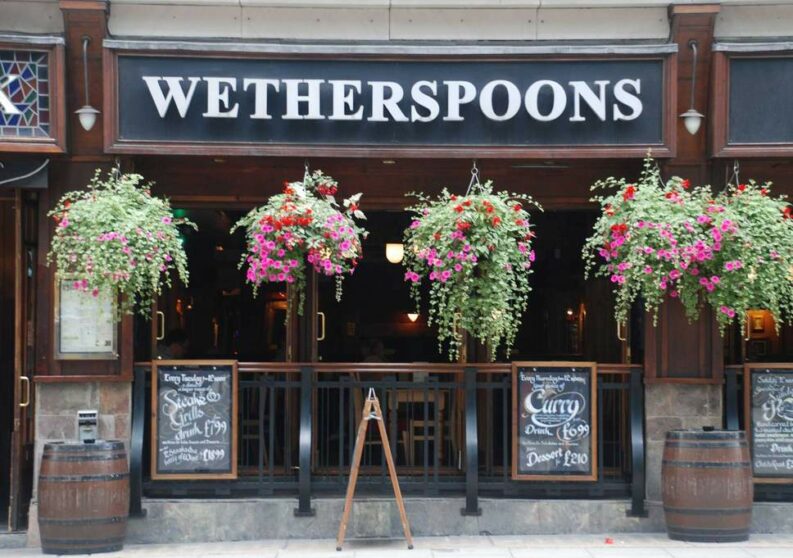

J D Wetherspoon plc (JDW) has announced a trading update for the first 14 weeks of its financial year, showing positive like-for-like (LFL) sales growth, but expresses caution regarding the upcoming Chancellor’s Budget statement.
The company’s performance has consistently outpaced industry averages, but external economic factors loom large.
LFL sales increased by 3.7% compared to the same period last year. Bar sales led the growth at 5.7%, followed by slot/fruit machines at 8.9%. Food sales saw a modest increase of 0.9%, while hotel room sales declined by 6.3%. Total sales have grown by 4.2% year-to-date, demonstrating overall positive momentum.
Wetherspoon has outperformed the “CGA RSM Hospitality Business Tracker” for 37 consecutive months. In September, the tracker reported industry sales of +0.2%, compared to Wetherspoon’s +3.4%. This consistent outperformance highlights the company’s resilience and market share gains.
The company opened four new pubs in Kenilworth, Paddington Basin, London Bridge Station, and Basildon, excluding franchises. Wetherspoon plans to open a total of 15 pubs in the financial year. Two pubs at the NEC in Birmingham had their leases expire, with one reopening as a franchise.
Wetherspoon now operates 11 franchised pubs, including partnerships with Haven Holiday Parks, university student unions, and Papas restaurants. Three franchised pubs have opened in the year-to-date, with an estimated 12 more planned for the current financial year, totaling 15 franchise openings.
Wetherspoon Chairman Tim Martin highlighted the impact of rising energy prices and the need for a broader debate on energy policy.
He also criticized UK corporate governance guidelines, suggesting they deter successful US technology companies from listing in London. Martin also addressed the pricing differential between pubs and supermarkets, attributing it to higher labor costs and VAT on food sales in pubs.
Martin emphasized that a 10% wage rise increases the cost of a pint by about 15 pence in a pub versus about 1.5 pence in a supermarket. He noted that pubs are at a disadvantage compared to supermarkets, which do not pay VAT on food sales.
He also referenced Morgan Stanley research, indicating that pubs have lost 50% of their beer volumes to supermarkets since 2000, attributing this to price differences.
Analyst Summary: Bull and Bear Cases
Bull Case:
- Strong growth in bar sales continues to drive overall revenue.
- Strategic franchise partnerships are expanding the Wetherspoon brand.
- Consistently exceeding industry averages demonstrates competitive strength.
Bear Case:
- A cautious outlook from management pending the Chancellor’s Budget statement.
- Potential for increased share volatility if the budget negatively impacts the hospitality sector.
- Concerns over rising energy prices and the pricing disadvantage compared to supermarkets due to VAT and labor costs.
While Wetherspoon demonstrates solid sales momentum, the cautious outlook warrants careful monitoring of the upcoming Budget statement and its potential impact on the company’s profitability.
Searching for the Perfect Broker?
Discover our top-recommended brokers for trading or investing in financial markets. Dive in and test their capabilities with complimentary demo accounts today!