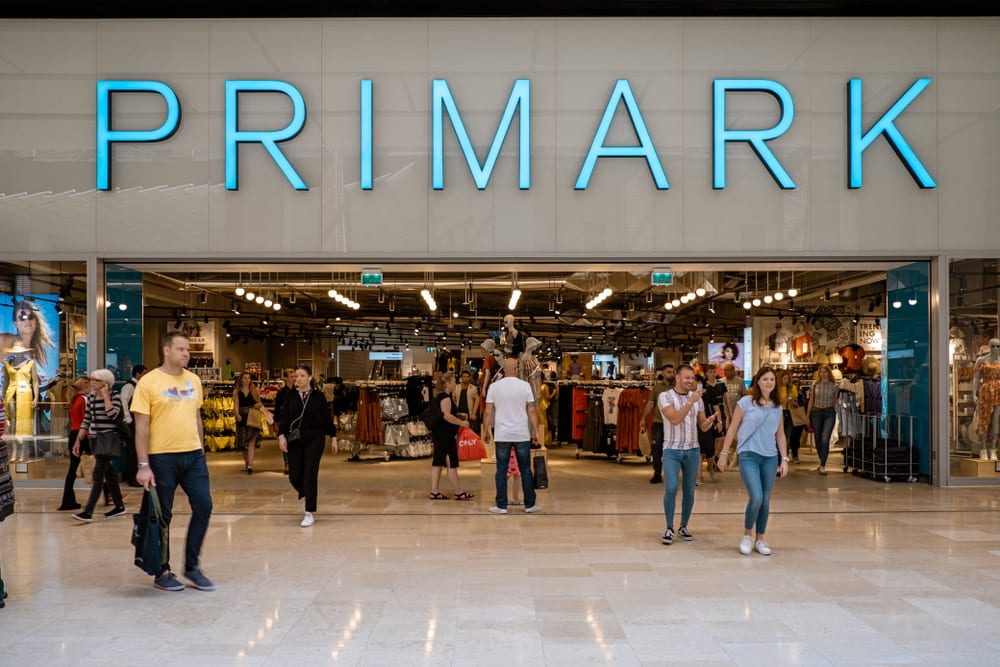

Associated British Foods (LON: ABF) shares remain under pressure in early 2026, down more than 9% year to date after a sharp 14% plunge on Jan. 8, when investors reacted to weaker-than-expected trading at Primark and lowered guidance.
The stock has struggled to regain momentum since mid-2024 despite several brief rebounds.
ABF’s January trading update showed Primark’s like-for-like sales fell 2.7% across all markets in the 16 weeks to Jan. 3, with softer demand weighing particularly on continental Europe, where LFL sales declined 5.7%.
The company warned that Primark’s first-half sales growth would land in the “low single digits” and that full-year adjusted operating profit margins could be around 10% if current trends persist.
However, new estimates from GlobalData underscore Primark’s continued market leadership in the UK.
Despite the downturn, Primark is forecast to have remained the country’s largest apparel brand in 2025 with a 6.0% share, slipping only 0.1 percentage points.
Senior Apparel Analyst Sharon Iles said brands combining “strong value perception with trend relevance and clear positioning” outperformed in a cautious consumer environment.
The wider UK apparel market saw value-focused and online-led players extend gains, but Primark’s scale, pricing and refreshed product offer helped it hold on to the top spot even as rivals such as Shein and Adidas made notable share advances.
However, analysts covering the stock remain cautious, with only 1 rating it a Buy, 14 a Hold, and 5 a Sell. The consensus average price target is 1,951p, suggesting just 0.17% potential upside from Monday’s close.
Searching for the Perfect Broker?
Discover our top-recommended brokers for trading or investing in financial markets. Dive in and test their capabilities with complimentary demo accounts today!
- IG Top-tier regulation – Read our Review
- eToro Wide range of instruments available to trade – Read our Review
YOUR CAPITAL IS AT RISK. 76% OF RETAIL CFD ACCOUNTS LOSE MONEY