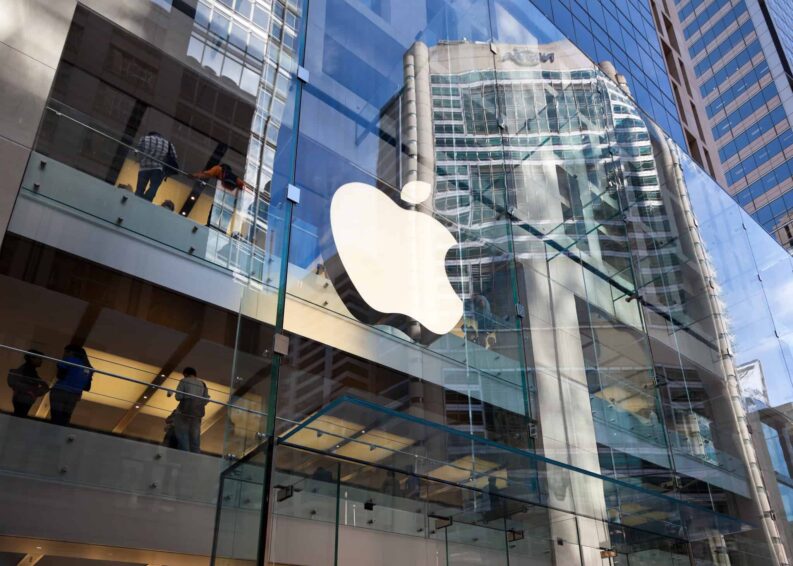

Apple’s CEO Tim Cook says soaring memory chip demand from the AI boom makes higher product prices inevitable for the world’s largest technology company.
Apple Inc. is set to raise prices across its product lineup after CEO Tim Cook warned that surging memory chip costs, driven by the global artificial intelligence boom, have made price increases unavoidable. The statement, delivered to the Wall Street Journal in an exclusive interview published on Wednesday evening, signals a significant shift in pricing strategy for the iPhone maker.
Apple shares closed on Wednesday at $295.95, down 1.1% on the session, before Cook’s interview was published. The stock had reached a 52-week high of $317.40 just ten days earlier on 8 June. With Cook’s warning arriving after markets closed, Thursday’s session will be the first opportunity for markets to respond. Analysts tracked by EODHD are broadly bullish on the stock, carrying a consensus price target of $312.72.
Cook told the Journal that Apple is “doing our best to mitigate the huge increases that are being passed to us,” but that higher prices are now unavoidable. According to Reuters, the planned increases are intended to offset rising memory and storage chip costs. The company did not specify which products will be affected or when changes will take effect. iPhone 18, Apple’s next major product launch, is widely expected in September, according to KTVU.
The AI boom has created unprecedented demand for memory and storage chips as data centres expand to meet the needs of large language models and other AI systems. Yahoo Finance described the global shortage as “RAMageddon,” with costs being passed down the supply chain to consumer electronics makers including Apple. The company reported trailing twelve-month revenue of $451.4 billion and an operating margin of 32.3%, giving it more financial resilience than most peers to manage component cost inflation. Even so, higher retail prices on flagship devices already priced above $1,000 could test consumer demand.