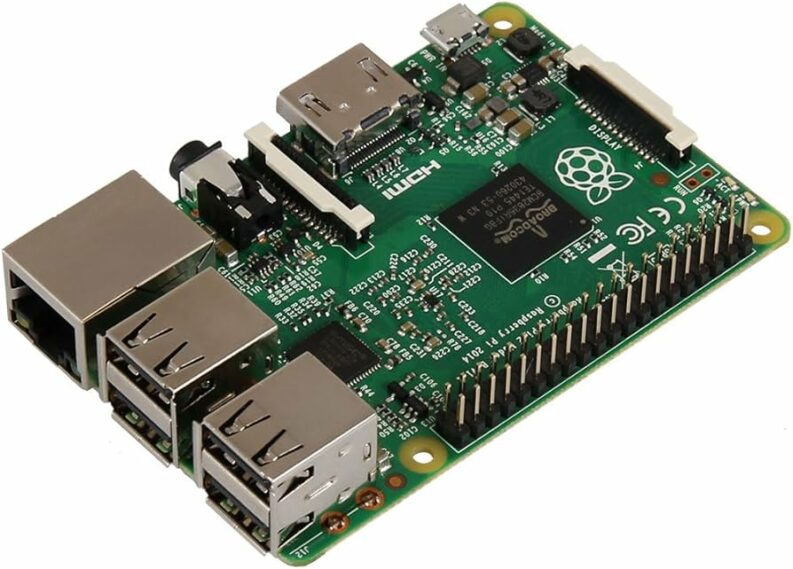

Raspberry Pi Holdings (LON: RPI) shares tumbled nearly 14% on Tuesday, closing at 764p from a previous close of 888p, as a brutal global technology sell-off collided with a string of company-specific vulnerabilities to send the stock into a sharp retreat.
The immediate catalyst was a worldwide rout in AI and technology stocks that began on Wall Street on Monday and cascaded through global markets on Tuesday. South Korea’s Kospi index plunged 10.5%, triggering a trading halt, while the Nasdaq fell 2.2% and the S&P 500 shed roughly 1.5%.
Analysts pointed to growing “AI exhaustion,” with investors questioning whether enthusiasm for artificial intelligence investment had stretched too far, too fast.
Raspberry Pi, whose hardware sits at the heart of the AI, IoT, and embedded computing boom, was an obvious casualty. But its 14% decline — far steeper than broader indices — reflected pressures unique to the stock itself.
Shares had already surged an extraordinary 240% since January, including a 28% single-day spike on June 5 following a blowout H1 trading update.
That dizzying run-up left the stock trading at a forecast price-to-earnings ratio of around 124 times — a valuation that offers little shelter when sentiment turns. The stock had also already shed 14% in a separate sell-off on June 10, signalling just how volatile it had become.
Adding further unease, founder Eben Upton disclosed a £1.8 million share sale earlier this month, while ongoing DRAM cost inflation continues to cloud the company’s margin outlook.
For investors holding since the June 5 surge, Tuesday served as a sharp reminder that what climbs fast can fall just as quickly.
Searching for the Perfect Broker?
Discover our top-recommended brokers for trading or investing in financial markets. Dive in and test their capabilities with complimentary demo accounts today!
- IG Top-tier regulation – Read our Review
- eToro Wide range of instruments available to trade – Read our Review
YOUR CAPITAL IS AT RISK. 76% OF RETAIL CFD ACCOUNTS LOSE MONEY