
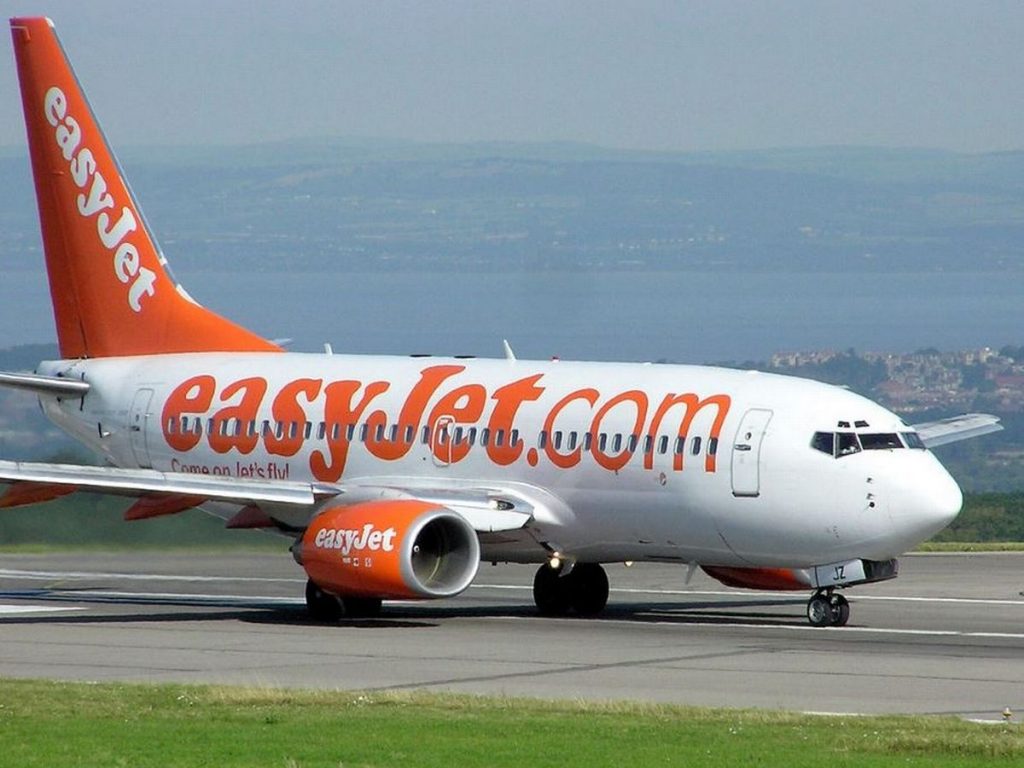
EasyJet has reached an “agreement in principle” with US private credit firm Castlelake over a takeover deal worth approximately £5.2 billion, marking a dramatic reversal after the Luton-based budget carrier rejected four previous offers.
Under the terms revealed on Sunday, Castlelake sweetened its bid to 690 pence per share, up from an opening offer of 560 pence when talks began on May 29.
EasyJet had previously dismissed bids of £6.50, £5.60, £6 and £6.25 per share, accusing the Minneapolis-based firm of attempting to buy the airline “on the cheap.”
The latest offer represents roughly a 24% premium to Friday’s closing price of 558.2 pence, a gap that could see EasyJet shares climb sharply once markets react to the news.
Castlelake, which already holds a 2.14% stake in EasyJet through managed funds, has partnered with former EasyJet chief executive Peter Bellew and Mark Breen on the approach. The firm says it intends to support the airline’s fleet modernisation programme and future growth plans.
However, the deal remains far from finalised. EasyJet operates under EU ownership rules requiring 51% European ownership, presenting a significant regulatory hurdle for the US firm, though Castlelake has previously outlined plans to comply.
Both parties have extended the “put up or shut up” deadline to 5pm BST on 3 August, by which point Castlelake must confirm a firm offer or walk away.
The approach comes as EasyJet faces financial headwinds, including a wider-than-expected first-half loss driven by rising jet fuel costs tied to Middle East tensions and softer summer bookings.
Searching for the Perfect Broker?
Discover our top-recommended brokers for trading or investing in financial markets. Dive in and test their capabilities with complimentary demo accounts today!
- IG Top-tier regulation – Read our Review
- eToro Wide range of instruments available to trade – Read our Review
YOUR CAPITAL IS AT RISK. 76% OF RETAIL CFD ACCOUNTS LOSE MONEY


