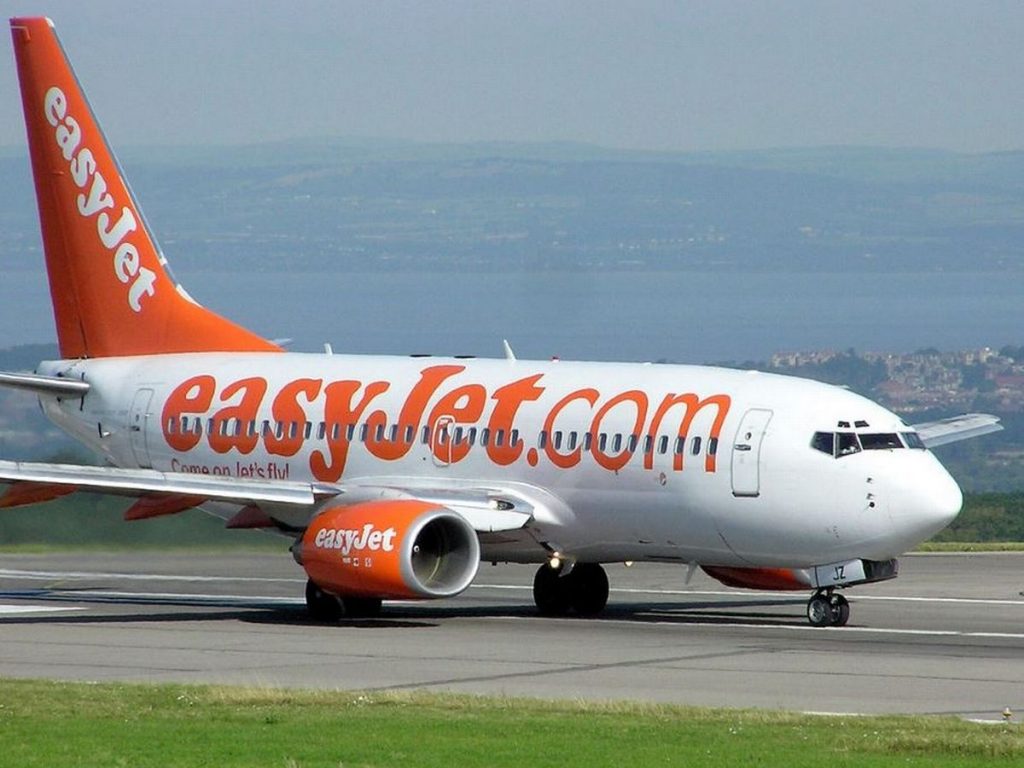

Shares in easyJet PLC (LON: EZJ) experienced a sell-off on Thursday morning, currently down over 6% following the release of a trading update for the six months ended March 31, 2026.
The airline anticipates a headline loss before tax of between £540 million and £560 million for the first half of FY26. The markets reacted negatively to the report, focusing on the impact of geopolitical tensions on fuel costs and customer demand.
Despite positive demand trends and a load factor increase of two percentage points year-on-year to 90%, the underlying first-half result was impacted by approximately £25 million in additional fuel costs due to the Middle East conflict. This, coupled with around a £30 million net increase in legal provisions, dampened investor sentiment.
The airline’s Q2 RASK (revenue per available seat kilometer) rose by approximately 3% year-on-year, boosted by route maturity and the timing of Easter. However, this positive momentum was partially offset by war-related softness in Egypt, Turkey, and Cyprus, highlighting the vulnerability of the travel sector to geopolitical events.
Operational performance showed improvement, with on-time performance increasing by one percentage point to 78% and customer satisfaction rising by two percentage points to 84%. easyJet holidays also maintained high customer satisfaction scores of 85%, demonstrating the strength of its integrated business model.
While expectations for full-year Airline headline CASK (cost per available seat kilometer) ex fuel remain broadly in line with previous estimates, the volatility in fuel prices poses a significant risk. The full-year fuel and total headline CASK expectations remain subject to fuel price developments, creating uncertainty for investors.
Airline headline CASK ex fuel increased by around 8% in the first half, driven by the annualisation of resilience measures, airport rate increases, higher winter load factors, and digitalization investments. The first half also included approximately £30 million of net additional legal provisions.
Fuel costs in March were significantly impacted by the escalation of the conflict in the Middle East, leading to approximately £25 million of incremental costs. This was driven by the purchase of unhedged fuel requirements for March (18%) at prevailing spot prices.
easyJet maintains a strong financial position with net cash of £434 million and liquidity of £4.7 billion. The airline owns 86% of its neo aircraft, providing financial and operational flexibility to navigate the current challenges.
The airline is 70% hedged at $706 per metric tonne for jet fuel over the summer period. However, fuel prices remain volatile for the unhedged portion, creating a potential for further cost pressures. Every $100 movement in fuel prices equates to approximately £40 million cost in H2 FY26.
Near‑term bookings, hedge position and sensitivities
- Q3: 63% sold, ‑2 percentage points year on year, with ticket yield marginally down Every 1 percentage point movement in Q3 RASK equates to approximately £26 million of revenue
- Q4: 30% sold, ‑2 percentage points year on year, with ticket yield modestly up Every 1 percentage point movement in Q4 RASK equates to approximately £33 million of revenue
- easyJet holidays H2 is currently 67% sold FY26 customer growth is expected to increase low double‑digit YoY in a competitive market
- H2 FY26: 70% hedged at $706 per metric tonne (current spot at 15/04/26: $1,500)
easyJet’s CEO, Kenton Jarvis, said: “easyJet saw continued positive demand in the first half, driven by our great value flights and holidays, alongside a continued focus on our operations and customer experience.
“Despite these positives, our H1 financial performance worsened year on year, impacted by the conflict in the Middle East and the competitive environment in some markets. Following our busiest Easter holiday period ever, the operational ramp up into peak summer continues as planned.”
Analyst Summary: Bull and Bear Cases
Bull Case:
- Positive demand trends and a load factor increase to 90%.
- Q2 RASK (revenue per available seat kilometer) rose by approximately 3% year-on-year.
- Operational performance improved, with on-time performance and customer satisfaction both increasing.
- easyJet holidays maintained high customer satisfaction scores of 85%.
- Strong financial position with net cash of £434 million and liquidity of £4.7 billion.
Bear Case:
- Anticipated headline loss before tax of £540-£560 million for H1 FY26.
- Approximately £25 million in additional fuel costs due to the Middle East conflict.
- War-related softness in demand for key destinations like Egypt, Turkey, and Cyprus.
- Significant risk from fuel price volatility on unhedged portions.
- Shortened booking curve and reduced forward visibility due to geopolitical uncertainty.
Searching for the Perfect Broker?
Discover our top-recommended brokers for trading or investing in financial markets. Dive in and test their capabilities with complimentary demo accounts today!
- IG Top-tier regulation – Read our Review
- eToro Wide range of instruments available to trade – Read our Review
YOUR CAPITAL IS AT RISK. 76% OF RETAIL CFD ACCOUNTS LOSE MONEY