
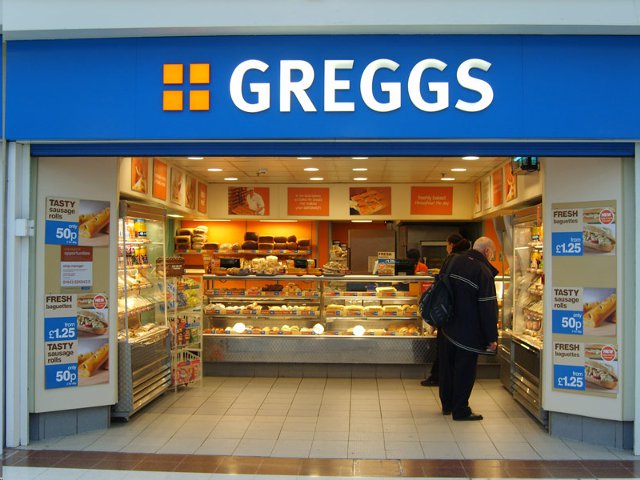
Greggs (LON: GRG) shares have spent more than a year trading in a well-defined range, with the stock unable to break decisively above or below the 1,400p-1,780p band it has occupied since mid-2025, as investors weigh cost pressures against resilient sales growth.
The FTSE 250 baker’s stock collapsed from around 2,800p at the start of 2025 to roughly 2,000p by mid-year following a series of profit warnings, and has largely gone sideways since, oscillating between roughly 1,400p and 1,850p through the second half of 2025 and into 2026.
Shares touched a 52-week high of 1,982p but have repeatedly failed to sustain gains, most recently sliding nearly 4% on Wednesday to around 1,530p after a bounce toward 1,700p in May.
The volatility reflects a tug-of-war between bulls and bears. On the positive side, Greggs reported like-for-like sales growth of 2.5% in the 19 weeks to May, alongside international expansion plans including a first overseas shop in two decades at Tenerife South Airport.
Management has also ruled out further price rises in 2026 despite Middle East-driven cost risks, having already lifted prices on sausage rolls and meal deals earlier in the year.
Weighing on sentiment, however, are rising wage and National Insurance costs, cautious UK consumers, and this week’s news that long-serving CFO Richard Hutton will retire at year-end, to be replaced by Bakkavor veteran Ben Waldron — a change that itself triggered a fresh share price dip.
With valuation debates raging among analysts over whether the stock is now cheap or fairly reflects slower growth, Greggs looks set to remain rangebound until a clearer catalyst emerges.
Searching for the Perfect Broker?
Discover our top-recommended brokers for trading or investing in financial markets. Dive in and test their capabilities with complimentary demo accounts today!
- IG Top-tier regulation – Read our Review
- eToro Wide range of instruments available to trade – Read our Review
YOUR CAPITAL IS AT RISK. 76% OF RETAIL CFD ACCOUNTS LOSE MONEY


